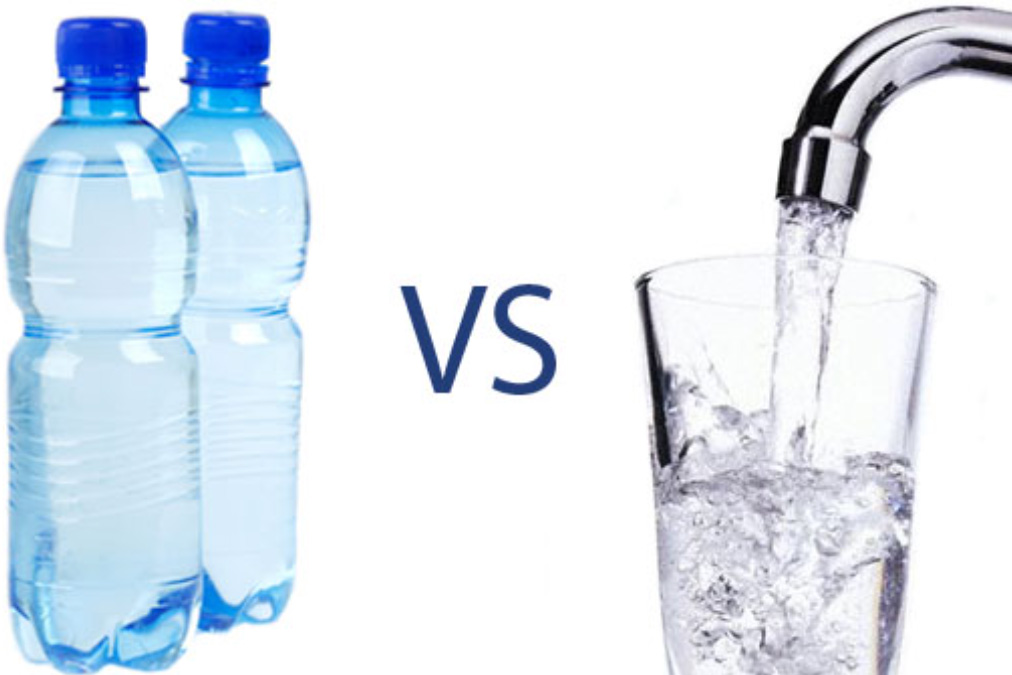
HERE’S WHAT THE experts say about how to get around the current hydration problem. Our rivers and lakes are full of garbage, bottled water contains microplastics, and tap water contains chemicals.
What kind of water is best to drink?
More and more people are worried about water pollution. New research about how water gets dirty can be scary. In November 2023, the Drinking Water Inspectorate (DWI) found “forever chemicals” in 11,853 samples of water. These are poly- and perfluorinated alkyl substances (PFAS), which don’t break down in nature.
People think there are more than 4,700 different kinds of PFAS. Some of them have been linked to issues with pregnancy, cancer, and thyroid disease.
Is Bottled Water Safer
A study from the University of Columbia found that up to 250,000 pieces of plastic are in a bottle of water. Scientists invented the term nanoplastics to describe the smaller pieces that microplastics break down into.
“Everyone is trying to keep us safe, but we’ve messed up things more than we thought.”
— Dr David Megson, University of Manchester Metropolitan
Studies show that microplastics may interfere with hormones, gut, and even brain function. Plastic pollution is becoming a bigger problem.
How safe is the water in the UK?
There are strict rules about UK tap water safety, often called “council pop.”
“There are rules about what is safe, but we could argue whether the numbers are right and the list is long enough.” What’s on the list needs to be looked over all the time.
Some say that not all harmful chemicals are checked for, even though the Drinking Water Directive checks for contaminants.
Fluoride in city water
Some UK water sources add fluoride to prevent teeth from getting cavities. It’s illegal to have more than 1.5 mg per litre, but an amount that would be harmful would be much higher.
Some studies show that too much fluoride may affect brain development, but the amounts in UK tap water are closely watched and considered safe.
Oestrogen & Endocrine Disruptors in Water
Synthetic hormones (like birth control pills) are one-way oestrogen and hormone-disrupting chemicals get into water.
• Sources in nature, like animal and human waste
• Plastics, like BPA and phthalates, which act like hormones
Some are taken out when the water is treated, but small amounts may still exist.
Human fertility could be affected by contaminants in water.
A 2009 study from Brunel University found that chemicals used in some drugs and pesticides that block androgens affect male fish.
Sperm numbers have been decreasing for 50 years, making people worry about their ability to have children.
Byproducts of Water Treatment
Trihalomethanes (THMs) are another worry. These are leftovers that are made when chlorine disinfects water.
“Carcinogenic byproducts are more likely to be made during treatment of waters that contain a lot of organic matter, like those from peatlands or polluted areas.”
THMs have been linked to bladder cancer, but the amount found in drinking water in the UK is thought to be safe.
Should You Be Worried?
Even though there are worries, the UK’s water is still one of the best in the world. “This sounds scary, but our drinking water is still fine compared to the rest of the world.” There is no need to panic
Bottled Water vs. Tap Water
• Tap water is more controlled, cheaper, and has fewer plastic particles. However, it might contain small amounts of PFAS, chemicals that mess with hormones, and chlorine byproducts.
• Bottled water is less regulated, contributes to plastic pollution, and often contains microplastics.”.
Final Verdict
Tap water is better for most people in the UK. For extra safety, consider getting a good water filter that will cut down on PFAS and chlorine byproducts.
What’s the main point? Tap water is generally the better choice, but filtering it can provide extra protection.