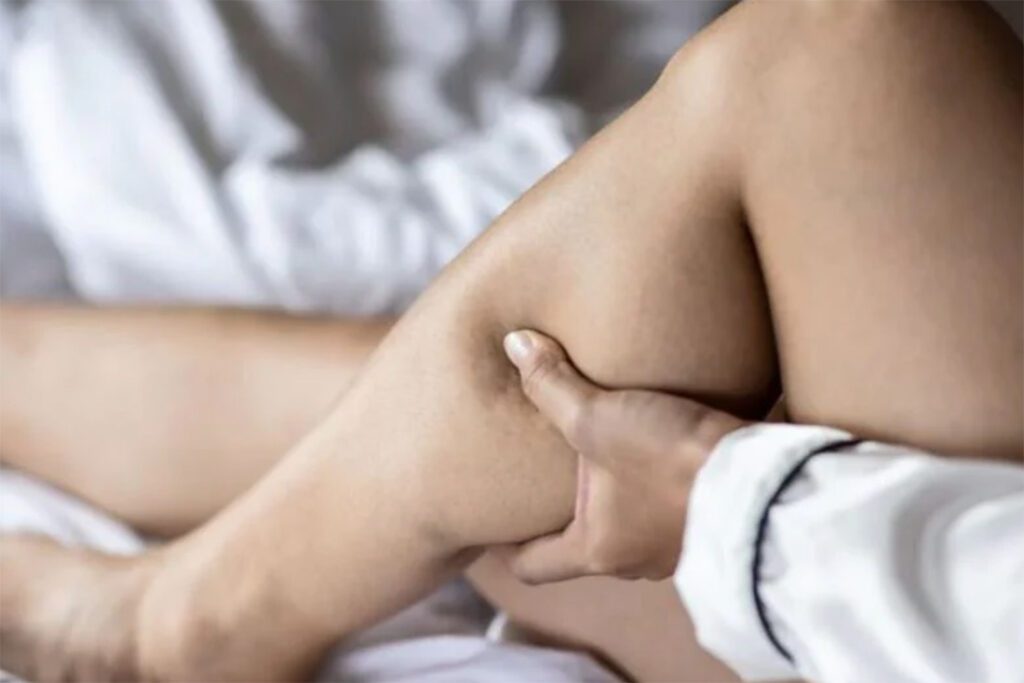
DO YOU SUDDENLY have swollen legs, a rounded belly, or swollen feet, arms, hands, fingers, breasts, or face? Don’t worry—you haven’t put on weight. It is probably water retention, which is very common during perimenopause.
Many women experience increased water retention during the early stages of menopause, known as perimenopause. You might notice a few extra pounds on the scale and feel uncomfortable tightness and swelling in specific body parts. If this has never happened to you before, it can be not very clear.
How and Why Am I Retaining Water?
Water retention happens when excess fluid escapes from blood vessels or the lymphatic system and accumulates in body tissues, causing swelling. This makes different parts of the body grow. If you press on the swollen area, you may notice a temporary indentation in the skin.
Hormonal Fluctuations: A Key Cause of Water Retention
You may have experienced this during pregnancy or your menstrual cycle. Did your breasts and abdomen feel swollen in the second half of your cycle, just before your period? You might have even thought you looked three months pregnant. Or perhaps you noticed a few extra pounds on the scale that disappeared after a few days.
This happens because oestrogen plays a role in promoting water retention, especially during the second phase of the menstrual cycle when the hormone estradiol increases.
As menopause begins, another factor comes into play—oestrogen dominance. In early menopause, known as perimenopause, progesterone levels drop, creating a hormonal imbalance where oestrogen becomes relatively higher. This imbalance can lead to increased water retention.
Swelling commonly affects the legs, abdomen, feet, hands, fingers, breasts, and face. If you suddenly find that your rings do not fit, this could be the reason.
It is also worth noting that hypothyroidism can contribute to water retention. If you are unsure, ask your doctor for a hormone test that includes thyroid levels.
Effective Ways to Reduce Water Retention
Diet and Nutrition
Certain vitamins and minerals help flush excess water from tissues. The most important include:
Magnesium
Potassium
B vitamins
Eating a diet rich in leafy greens, legumes, nuts, seeds, and whole grains can help. If necessary, supplements can also be taken.
Some high-water-content foods naturally help eliminate excess water, including:
Cucumbers
Leafy greens such as arugula, spinach, and kale
Watermelon
Cruciferous vegetables such as broccoli, cauliflower, cabbage, Brussels sprouts, and radishes
Cruciferous vegetables also contain diindolylmethane (DIM) and sulforaphane, compounds that help balance oestrogen levels and reduce excess water retention.
Reducing excess salt intake is also important, as high sodium levels encourage water retention. Instead of using salt, try seasoning with fresh herbs. Processed and fast foods are often high in sodium, so limiting them can help prevent bloating.
Herbal Remedies
Herbs can counteract hormonal imbalances that lead to water retention.
Chasteberry – Supports progesterone production and balances hormones
Milk thistle – Helps the liver process and remove excess oestrogen
Maca root – An adaptogen known to support hormone balance
These natural remedies can help alleviate swelling and promote better hormonal regulation.
Keep Moving
Sitting or standing for long periods worsens water retention. Movement helps stimulate lymphatic flow, which assists in removing trapped fluid from the body.
Some simple activities that can help include:
Walking briskly
Exercising regularly
Standing on your tiptoes to encourage circulation
Stay Hydrated
Drinking plenty of water actually reduces water retention. Dehydration signals the body to hold onto water, so staying hydrated encourages fluid elimination.
It is recommended to drink two to three litres of water per day. Herbal teas with natural diuretic properties, such as dandelion tea or nettle tea, can also help.
Dry Brushing
Dry brushing is a technique that stimulates circulation and lymphatic drainage.
To dry brush effectively:
Use a dry brush with firm bristles
Always brush towards your heart
Start from your feet and move upwards
Finish with a shower to wash away dead skin
Dry brushing improves circulation, reducing water retention while also exfoliating the skin.
Hot and Cold Showers
Alternating between hot and cold water stimulates the lymphatic system and metabolism.
To try this method:
Shower with warm water for one minute
Switch to cold water for ten seconds
Repeat three times, finishing with cold water
If this feels too extreme, consider booking a lymphatic drainage massage with a professional. This is especially helpful for severe cases of water retention.
To Sum Up
Even if you feel swollen or bigger, you are just holding on to water and not gaining weight. It’s just a normal part of going through menopause and generally goes away in a few days.
There are natural ways to lower water retention.
Fibre- and magnesium-rich foods, such as fresh greens, beans, nuts, and seeds, should be eaten.
Cut back on prepared foods and salt.
Drink two to three litres of water daily. To help your body, use herbs like chaste berry, milk thistle, and maca root.
Regularly work out and move around
Dry brushing and lymphatic massage are good things to do.
Take both hot and cold showers to get your blood flowing.
Talk to a doctor if you think oestrogen dominance is the cause of your water retention. They may suggest bioidentical progesterone or other treatments to help keep your hormones in check.
Managing water retention naturally during perimenopause and menopause can help you feel more comfortable, reduce swelling, and regain control over your body. With the right lifestyle changes, you can support hormonal balance and overall well-being.