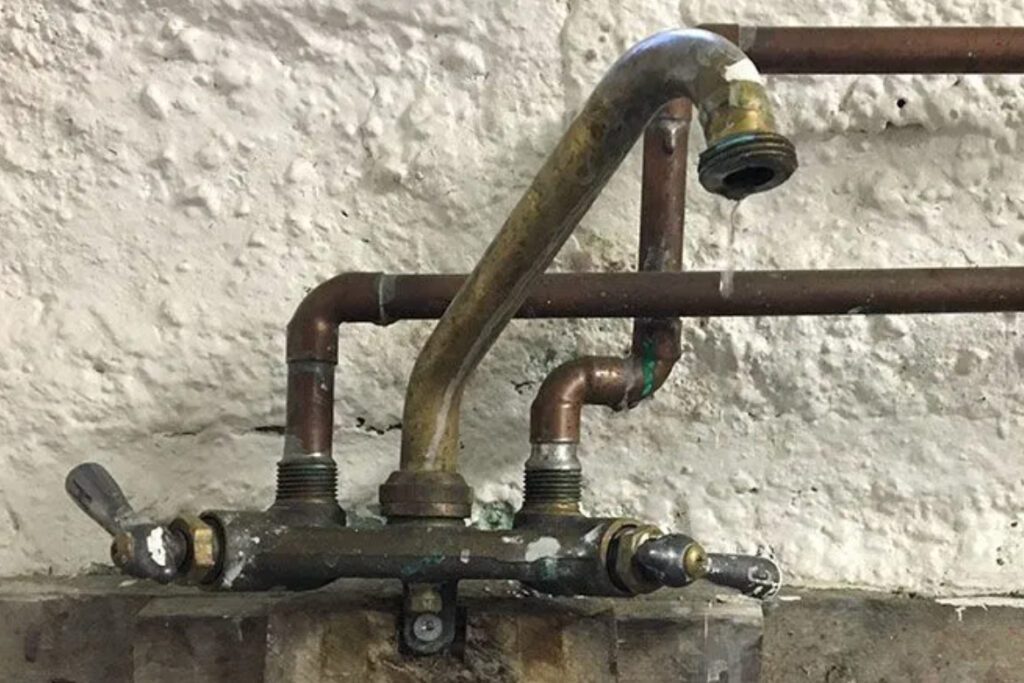
MANY HOMEOWNERS believe tap water is safe just because it satisfies legal requirements. But if the cleanest water from treatment plants passes through old or decaying pipes, it can also get contaminated. Although few homes still use lead pipes, antiquated plumbing systems can cause health hazards from corrosion, chemical spills, and bacterial development. Should your plumbing not have been upgraded or inspected in decades, it’s time to determine whether your pipes might compromise water quality.
Do Old Water Pipes Pose a Risk?
Contaminated water can lead to health issues, particularly in newborns, small children, and those with compromised immune systems. While outdated pipelines might introduce dangerous elements like heavy metals and pathogens, modern water treatment guarantees tap water is safe when it leaves the facility.
For instance, copper from broken pipes could seep into drinking water. At large doses, especially in young children, it can interfere with liver function. In seldom-used pipes, stagnant water can also provide a haven for germs, which cause stomach problems. Water can be contaminated, and sensitive people are affected even by nickel from ancient taps and fittings.
Symptoms of contaminated water—such as headaches, gastrointestinal trouble, and tiredness—are often confused with other diseases. Because waterborne illnesses spread slowly, their symptoms might not be clear-cut immediately.
Typical Old Plumbing System Hazards
Lead Pipes: Homes built before the 1970s could still have lead pipes, which, particularly in children, can cause developmental delays and neurological problems. See a plumber check your system if you believe lead pipes exist.
Copper pipes allow low pH (acidic) leaching into water. Although copper is vital in tiny doses, too much can cause long-term liver damage and intestinal difficulties.
Pipes in guest bathrooms or outside taps seldom used might let germs flourish. Maintaining the correct temperature and water flow helps lower this risk.
Water heaters set below 60°C (140°F) produce ideal conditions for germs like Legionella to flourish. Check that your water heater is turned on high enough to avoid contamination.
Spot Ageing or Problematic Pipes: How to Approach Them
If your house was built before the 1990s and lacks a plumbing update, you should investigate older pipes:
- Lead Pipes: soft enough to scrape with a screwdriver, dull grey.
- Reddish-brown copper pipes are prone over time to corrosion.
- Common in homes built before the 1960s, galvanised steel pipes often rust and corrode, causing discoloured water and lower flow.
- Standard in modern homes, plastic (PVC or PEX) pipes may have dangerous chemicals like BPA in older PVC pipes put in place before 2010.
- If you’re unsure about your pipes, a water quality test can identify contaminants.
When ought pipes to be replaced?
Old pipes should be watched even if they do not demand quick replacement. If it is the case, think about changing them if:
- A water test identifies elements including lead, copper, or microorganisms.
- Your regular leaks point to possible pipe degradation.
- Your water smells unpleasant, tastes metallic, or seems discoloured.
- Lead pipes still exist; even low quantities can over time cause health problems.
- Whether partial or full pipe replacement is required will depend on your situation and the qualifications of the plumber.
Maintaining Clean Drinking Water: Strategies
You can guarantee water quality even with contemporary plumbing by following these guidelines:
- Before using water from pipes, run the tap for a minimum of thirty seconds.
- Eliminate toxins, germs, and heavy metals using a water filter.
- To stop germs from proliferating, check the temperature of your water heater and make sure it is set at least 60°C (140°F).
- Plan frequent water tests to find any changes in quality resulting from pipe deterioration or municipal supply problems.
Safeguarding your water source
Clean drinking water is a worldwide concern rather than only a domestic one. Although water treatment plants eliminate pollutants including nitrates and pesticides from agricultural runoff, homeowners are responsible for maintaining water safety when it comes to their house.
Many believe municipal water providers provide the highest quality. However, it is the responsibility of the owner to keep the plumbing system intact after water flows through the water meter. Efforts at outside water purification pale in importance compared to proper pipe maintenance.
Conclusions
Though rare nowadays, aged or badly maintained plumbing can compromise water safety. Ensuring the water you drink and cook with stays free from dangerous contaminants mostly depends on regular water testing, correct pipe maintenance, and timely renovations.
Even if most houses in 2025 lack lead pipes, preserving water quality is still quite vital. Safe water begins with safe pipes; hence, invest time to check, test, and, if necessary, update your plumbing for a better future.