In a world that never stops moving, the idea of lying perfectly still in a dark, silent tank for an hour can seem like the ultimate luxury—a perfect escape. At first glance, it looks like a retreat, a temporary opt-out from the noise, the schedules, and the relentless pull of gravity. But to dismiss it as mere escapism is to miss the point entirely. What happens in the warm, buoyant embrace of a float tank is not an act of avoidance. It is an active, intentional, and neurologically profound form of recovery. This isn’t spa time; it’s science time. It is, quite literally, your nervous system finally getting a chance to stand down.
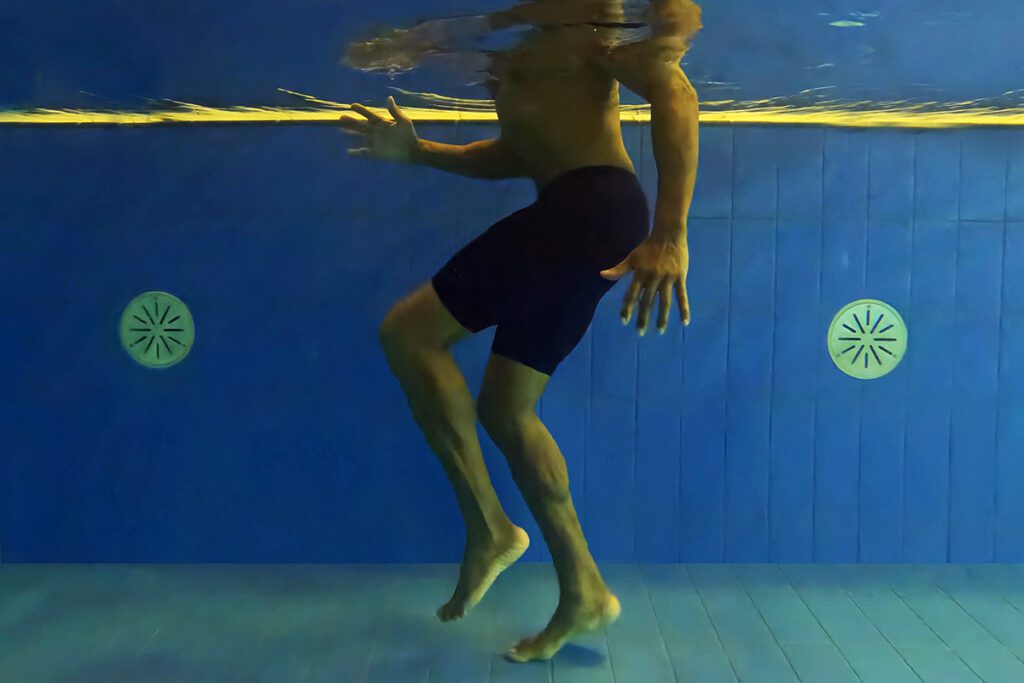
The practice is clinically known as Flotation-REST (Reduced Environmental Stimulation Therapy). The principle is beautifully straightforward: remove the constant stream of input that your brain is required to process just to get you through the day. Strip away the tug of gravity on your joints and muscles. Muffle the distant hum of traffic or electronics. Soften the harsh contrast of light and shadow. You step into a pod or pool filled with water saturated with Epsom salt, heated to the exact temperature of your skin. You lie back. And you float—utterly weightless, perfectly suspended. The line between your body and the water dissolves. You are supported, completely, without any effort at all.
What unfolds in that stillness is not magic, but a predictable and powerful physiological shift. Your brain, freed from its full-time job of managing your body’s fight against gravity and filtering environmental noise, begins to change states. The constant, low-grade alarm system of modern life—the sympathetic nervous system’s buzz of “fight-or-flight”—starts to quiet. Often, brainwaves slow to a theta rhythm, a frequency associated with the liminal space between wakefulness and sleep, deep meditation, and sudden creativity. This is not a void. It is a deeply fertile space of internal awareness. With the outside world dialed down to near zero, your perception turns inward. This is what scientists call interoception—the sense of your inner landscape. Your breath becomes a slow, undeniable tide. Your heartbeat is a soft, steady drum in the quiet. The frantic, looping chatter of your thoughts—the “to-do” lists, the reruns of awkward conversations, the low-grade worry—begins to settle, like silt in a still pond.
This internal shift is where the deepest work happens. Research shows this practice does far more than induce a transient feeling of calm. It fosters tangible, neurological change. The amygdala, the brain’s primal alarm bell for stress and threat, gets a sustained break. Cortisol, the primary stress hormone, drops. Meanwhile, the sense of self—often rigid, defensive, and anxiously preoccupied—softens.A lot of people say that their bodies slowly dissolve and that they feel like they are merging with the water that supports them. It’s not losing your identity; it’s expanding your connections and taking a break from the hard job of always figuring out where “you” end and the world begins. This lessens the strong self-consciousness that causes social anxiety and rumination.
There are benefits for both the mind and the body. For the mind, it’s a way to get away from its own noise. People come out not only feeling rested, but also with a clearer mind, as if the static in the signal has been removed. The weightlessness is a huge relieve for the body. Muscles that are used to always being tense against gravity can finally let go. This can help a lot with long-term pain problems, including fibromyalgia, which causes a wide range of aches and pains. The silence lets the nervous system reset its baseline, going from being on high alert to being calm and in control.
So, no. Floating is not escapism. It is the exact opposite. Escapism is about distraction—using external stimuli to avoid internal reality. Floating is about the brave, quiet work of turning toward yourself with radical honesty and without distraction. It is the deliberate use of an ancient, elemental support—warm salt water—to remember what it feels like to be profoundly at rest. You are not leaving yourself behind in the pod. You are meeting yourself there, in the quiet, perhaps for the first time in a long time. And you step back out not as someone who has checked out, but as someone who has, finally and fully, checked in. You are not escaping the world. You are recovering your capacity to be fully present in it.