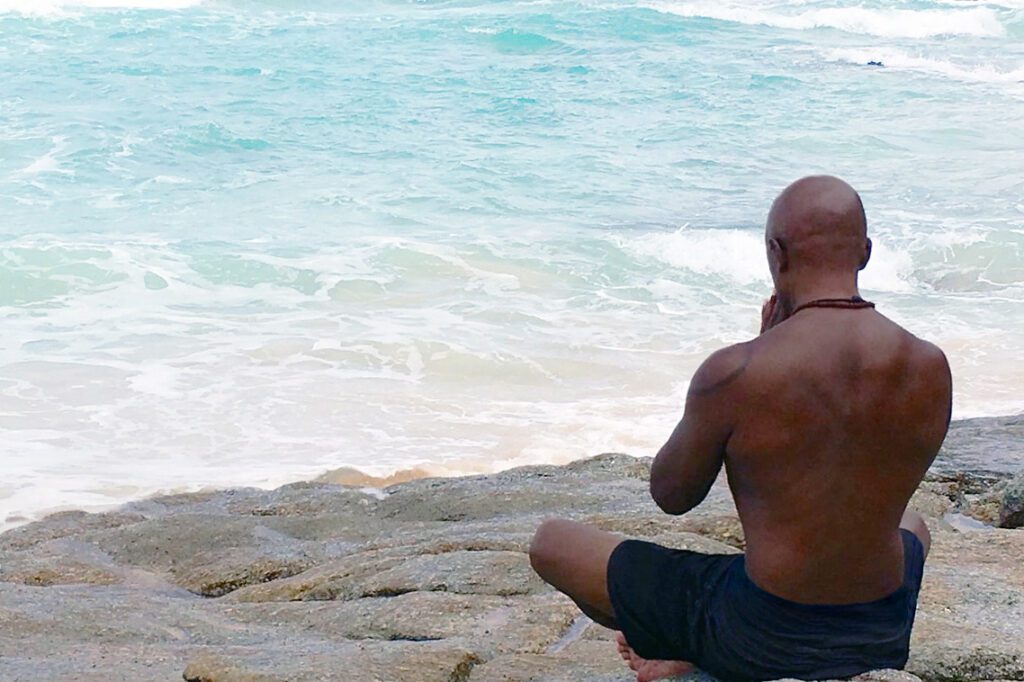
You won’t find the secret in a high-tech compression sleeve or a lab-made supplement. Instead, head to the water’s edge. Here, after the day’s last sprint or final wave, a new breed of athlete is redefining what it means to recover. This isn’t about punishing ice baths endured with gritted teeth. It’s a more intelligent, almost reverent dialogue with water—a practice where surfers, climbers, and runners are learning to regulate not just their muscles, but their entire nervous system. The goal is no longer mere physical repair; it’s about cultivating a resilient, adaptable calm that carries from the water back into the game.
Forget the old equation of pain-for-gain recovery. The modern protocol is less brutal, more rhythmic. It’s the deliberate shift from searing heat to piercing cold, not for ten agonizing minutes, but in short, one-minute cycles that feel more like a pulse than a punishment. Science now shows that these brief, alternating dunks—a quick, hot flush followed by a bracing cold shock—train your blood vessels like a workout for your circulation. This gentle contrast teaches the body resilience through sensation, proving you don’t need to suffer to heal. It’s hydrotherapy, refined.
This is where recovery transcends physiology and becomes a mindful practice. The acute focus required to steady your breath as you sink into the cold is the same focus a surfer uses to hold still beneath a breaking wave. The water becomes the ultimate biofeedback tool. In its embrace, there’s nowhere to hide. A racing mind is mirrored in a ragged breath, and the only way through is to soften—to lengthen the exhale, to let the water’s silent support hold you. This is “nervous system literacy” in action: learning to read your internal state and using the water’s elemental properties to dial it back to center.
For the wave-rider, this has always been instinct. The ocean demands calm. Panic consumes oxygen, clouds judgment. The practiced surfer’s breath control isn’t just a safety technique; it’s a neural hack, a direct line to the parasympathetic nervous system that governs rest and recovery. On land, athletes are now borrowing this ancient, aqueous wisdom. They’re creating their own sanctuaries in plunge pools and serene lakes, using immersion not to numb themselves, but to feel more acutely and then to consciously let go.
What emerges is a lifestyle of integrated recovery, a seamless blend of sport and spa intelligence. The post-training soak isn’t just for sore muscles; it’s a ritual to wash away the lingering adrenaline of competition. The morning float isn’t solely for flexibility; it’s to set a calm, focused tone for the day ahead. Athletes are stitching these aquatic moments into the fabric of their lives, not as separate chores, but as essential rites that build longevity from the inside out. They are trading the specter of burnout for a sustainable rhythm, understanding that a resilient mind is the ultimate foundation for a resilient body.
This shift represents a quiet revolution in high performance. It reframes the athlete’s relationship with their own limits. The water, in its varied temperatures and pressures, offers a masterclass in adaptation. The warm embrace teaches surrender and release; the cold shock teaches fortitude and focus. In the supportive, weightless space between, the nervous system learns to pivot from stress to serenity with elegant efficiency. This isn’t passive rest; it’s active recovery in its truest, most holistic form.
Ultimately, this is the new athletic luxury: not a gold-plated cryo-chamber, but a conscious, nuanced relationship with the most elemental resource we have. It’s the understanding that true performance isn’t forged only in the grind, but in the quiet, intelligent spaces in between. It’s built in the ability to listen deeply—to the breath, to the heartbeat, to the silent messages of the body—and to use the medium of water to answer them. It’s here, in the sanctuary of the float, the plunge, and the gentle, mindful paddle, that the modern athlete finds their edge: the capacity to reset, and to return to flow, again and again.