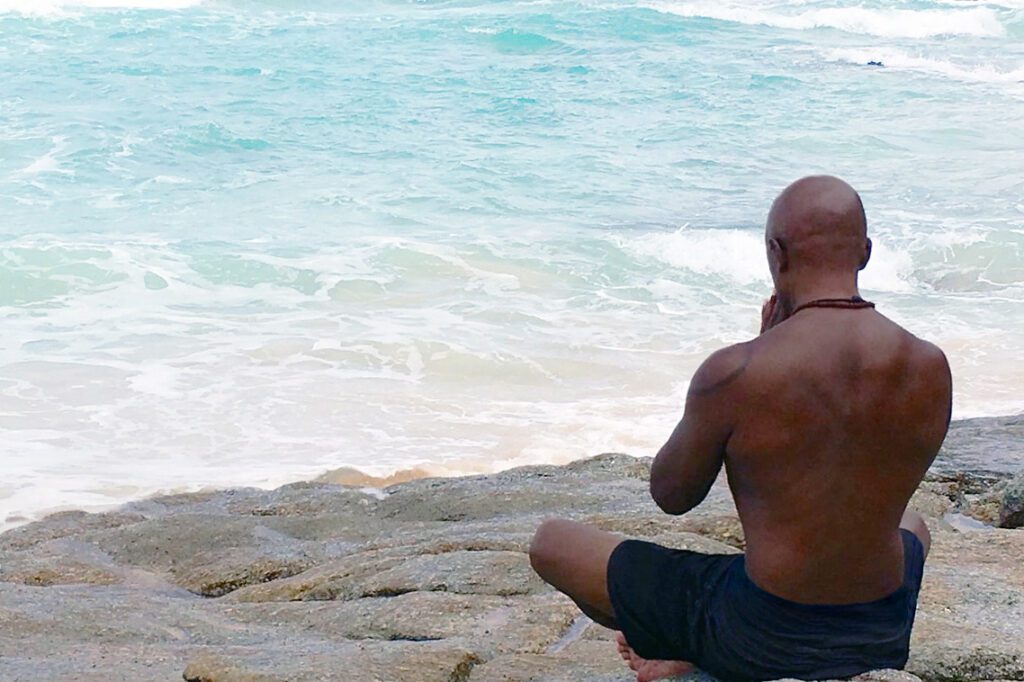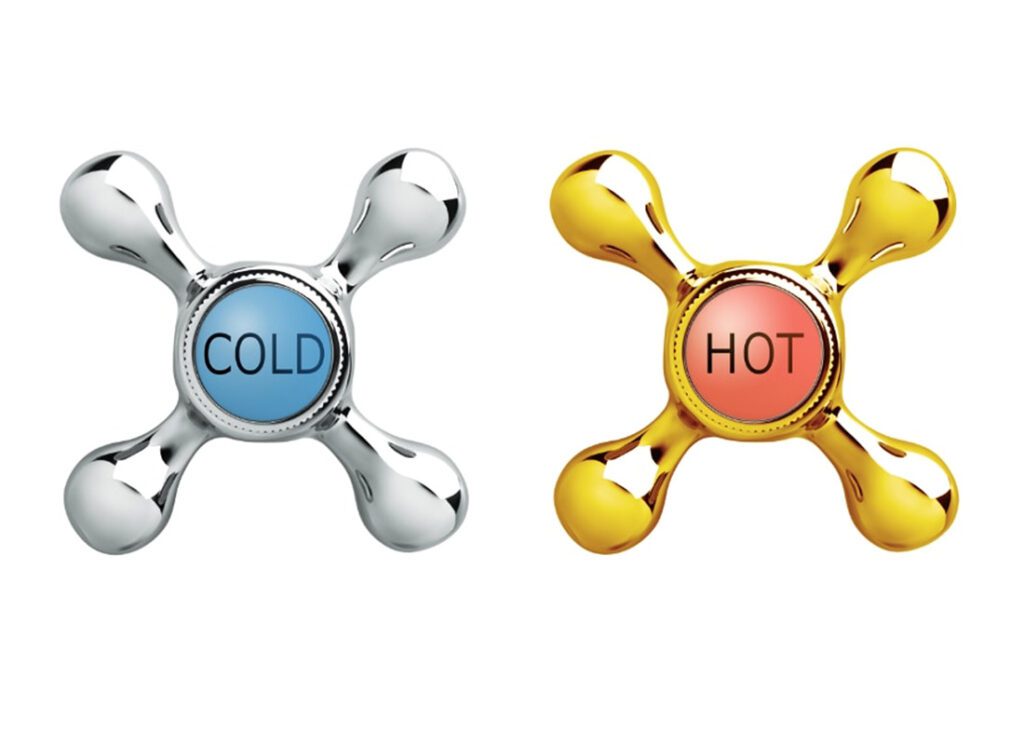
The practice feels like a modern wellness trend, found in high-end spas and elite athletic facilities: the deliberate, rhythmic shock of moving from searing heat to piercing cold. Yet contrast therapy — the systematic alternation between hot and cold immersion — is an ancient ritual, a foundational form of medicine that long predates pharmaceuticals. Today, science is beginning to map the profound physiological truths our ancestors intuited by the riverbank, the sweat lodge, and the icy plunge pool.
At its core, contrast therapy is a powerful workout for the circulatory system. Heat causes vasodilation, flooding muscles and joints with nutrient-rich blood. Cold triggers vasoconstriction, driving excess fluid and metabolic waste out of the tissues. This alternating “pump” action is more than a flushing mechanism; it is a form of vascular gymnastics. It reduces inflammation, soothes soreness, and can significantly accelerate recovery from physical exertion or minor injuries such as sprains. For the weary or the wounded, it allows the body’s innate healing systems to engage — without additional strain.
While the extremes attract attention — from infrared saunas to cryotherapy chambers — the principle itself is beautifully accessible. It lives in the simple, intentional act of a shower, shifting from warm to cool. It thrives in the ancient logic of the bathhouse: heat to open, cold to seal. The method is less about expensive equipment and more about understanding rhythm — longer periods of heat (two to five minutes), followed by briefer immersions in cold (30 to 60 seconds), repeated in cycles that teach the body resilience through sensation.
The advantages of this thermal interaction extend beyond the purely physical. Emerging — though still preliminary — evidence suggests that cold exposure, particularly when contrasted with heat, may enhance immune response and improve mood, offering gentle, non-pharmacological relief from symptoms of anxiety or low mood. The cold demands focus, drawing attention fully into the body. This is a powerful form of moving meditation. Thought recedes. Sensation takes over. Presence becomes unavoidable.
Yet this ancient practice demands modern respect. Contrast bathing places real demands on the cardiovascular system. Medical guidance is essential for those with heart conditions, hypertension, or during pregnancy. Safety lies in moderation and awareness: cold immersions should be brief; re-warming should be gradual; and the practice should never be undertaken alone in open water. Respect, not bravado, is what makes the ritual restorative.
For practices rooted in mindful movement and water, contrast therapy offers a profound parallel. It teaches adaptation. In heat, the body learns to soften, release, and yield. In cold, it learns to engage, stabilise, and endure. What follows — that quiet, humming stillness — is where integration occurs. Having passed through extremes, the system settles into a deeper equilibrium. The body feels reorganised. The mind, briefly freed from narrative, finds silence.
This is the enduring wisdom of contrast bathing. It is not merely a recovery technique, but a dialogue with the body’s own intelligence. It reminds us that strength does not arise from rigid resistance, but from the capacity to move fluidly between states. In a world dominated by constant, uniform stimulation, contrast offers a primal rhythm — a return to the elemental truth that healing often lies not in avoiding nature’s forces, but in learning to meet them consciously, calmly, and with respect.