HYDROTHERAPY, OR water therapy, is a complementary treatment that uses water for health benefits. Depending on the industry and use, it may also be referred to as aquatic therapy, water therapy, or hydropathy.
Different types of hydrotherapy can help with joint pain, muscle tension, and relaxation. Before adding hydrotherapy to a treatment plan, it is essential to consult a doctor or physical therapist.
What is Hydrotherapy?
Hydrotherapy uses water in various forms to promote physical and mental well-being. It can treat temporary skin issues, such as burns, or chronic conditions like arthritis and fibromyalgia.
Water therapy may involve hot or cold water, varying pressure and flow depending on the treatment. Some forms are as simple as soaking in a warm bath at home, while others require specialised facilities or equipment, such as cold saunas or therapy pools.
Common hydrotherapy locations and equipment include:
- Physical therapy tanks
- Swimming pools
- Whirlpool spas
- Hot tubs
- Saunas
- Showers and baths
The procedure for each depends on the treatment goal and practitioner.
Benefits of Hydrotherapy
Reduces Pain
A review found that warm water spa therapy significantly reduced pain in people with musculoskeletal and connective tissue disorders. Warm water may ease pain signals, relax muscles, and improve circulation.
Improves Mental Health
The CDC states that water-based activities may benefit mental health. Aquatic exercise has been shown to reduce anxiety and depression in people with fibromyalgia. Many also find swimming relieves stress and boosts mood.
Eases Arthritis Symptoms
Studies show hydrotherapy can improve pain and function in people with arthritis. One study found that aquatic exercise improved knee pain in osteoarthritis patients after eight weeks. Another study showed benefits for rheumatoid arthritis when combined with medication.
Low-Impact Exercise
Water-based activities provide low-impact movement, making them ideal for people with joint pain or mobility issues. They allow people to stay active without excessive stress on their joints.
Promotes Relaxation
Warm water therapy can ease muscle tension and promote mental relaxation.
Aids Workout Recovery
Athletes often alternate between hot and cold water therapy to reduce muscle soreness and speed recovery.
Helps During Pregnancy
Hydrotherapy may relieve everyday pregnancy aches and pains. Some also use it during water births to reduce pain and stress.
Anti-Ageing
Hydrotherapy boosts circulation, reduces inflammation, soothes joints, relaxes muscles, enhances mobility, hydrates skin, relieves stress, and promotes overall anti-ageing benefits.
Types of Hydrotherapy
Aquatic Exercise
Aquatic exercise in a pool helps people with arthritis, fibromyalgia, or balance issues stay active with low joint stress.
Warm Water Baths
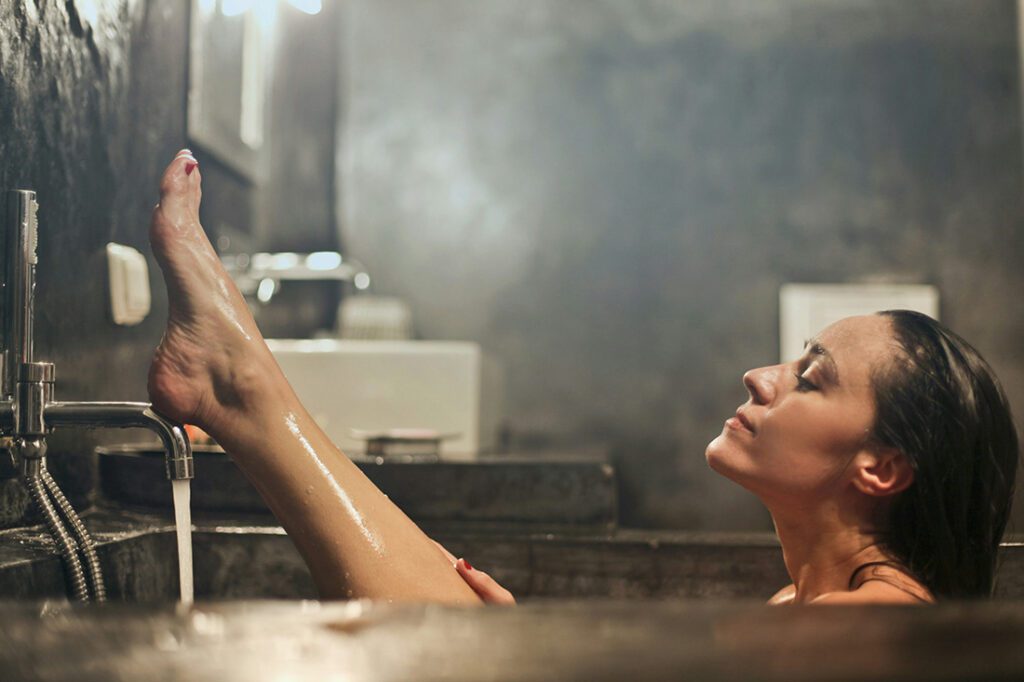
Soaking in a warm bath may ease muscle pain, stress, and stiffness. Adding salts, essential oils, or minerals can enhance relaxation.
Sitz Bath
A sitz bath is a shallow, warm, or cool water bath often used to relieve cramps or haemorrhoids.
Wraps, Compresses, and Fomentation
Applying hot, warm, or cold wraps to specific areas may provide localised relief for pain or inflammation.
Saunas
Both wet and dry saunas use controlled heat to promote circulation and relaxation.
Water Circuit Therapy
This therapy alternates between hot and cold water treatments to improve circulation and reduce muscle soreness. It may include:
- Warm baths
- Saunas
- Cold plunges
Immersion Therapies
These involve fully or partially immersing the body in water, including:
- Warm and cool baths
- Cold plunges
- Hot tubs with jets
- Whirlpool baths
Summary
Hydrotherapy can be a complementary treatment for relaxation, pain relief, and recovery. Techniques such as saunas, baths, and aquatic exercise may also help with stress, arthritis, and muscle soreness.
Consulting a doctor is essential to ensure hydrotherapy suits individual health needs.